In Detail
PreviousNext Article
23/09/26
ABIC Contracts: Protecting Design Intent Through Construction
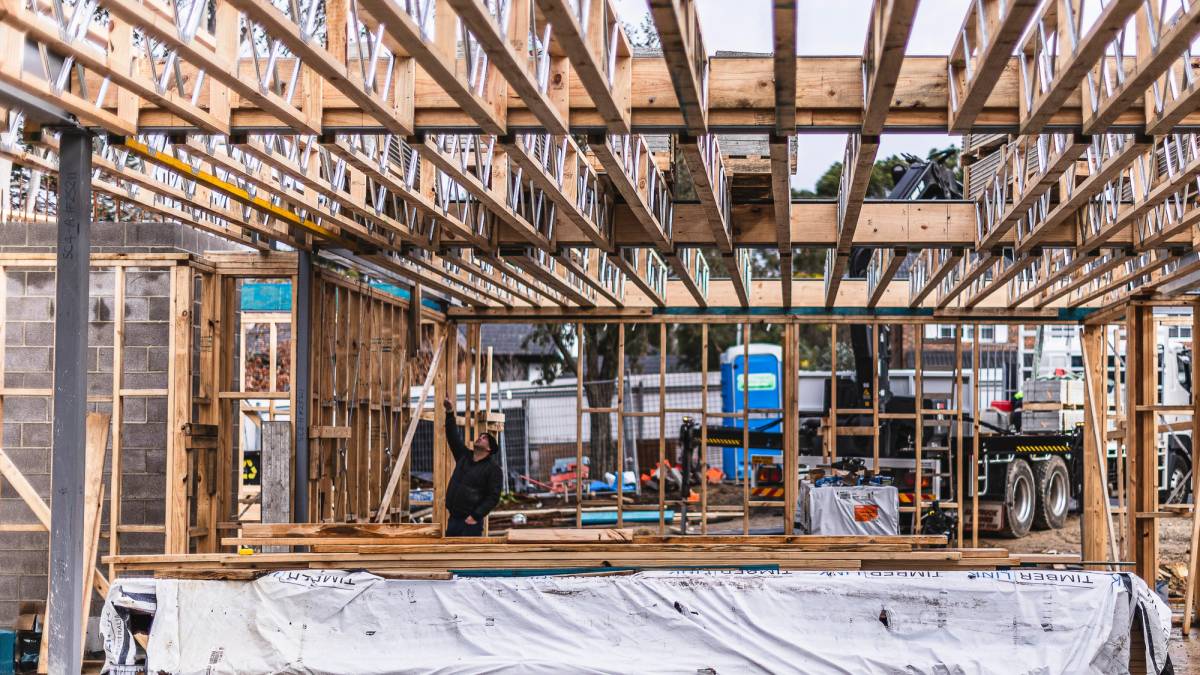
Architecturally designed homes are not finished on paper. Details continue to develop, consultant information evolves and site conditions inevitably test the documentation. What matters is how those moments are handled once construction begins, because small decisions made under pressure can have a significant effect on the finished architecture.
ABIC is designed for that environment. Developed by the Australian Institute of Architects and Master Builders Australia, it is structured around architect-administered projects, with clear processes for instructions, variations, claims, payments, extensions of time and completion. For EAST, that framework suits the way complex residential projects should be delivered because it keeps the architect actively involved while giving the builder a clear process for managing change.
The strength of the contract is not in creating more paperwork. It is in making sure important decisions are properly considered before they reach site. A difficult junction, a services clash, an unavailable material or a client-requested change can all affect the architecture if they are dealt with too casually. On a complex house, these situations occur constantly, and the quickest answer is not always the best one.
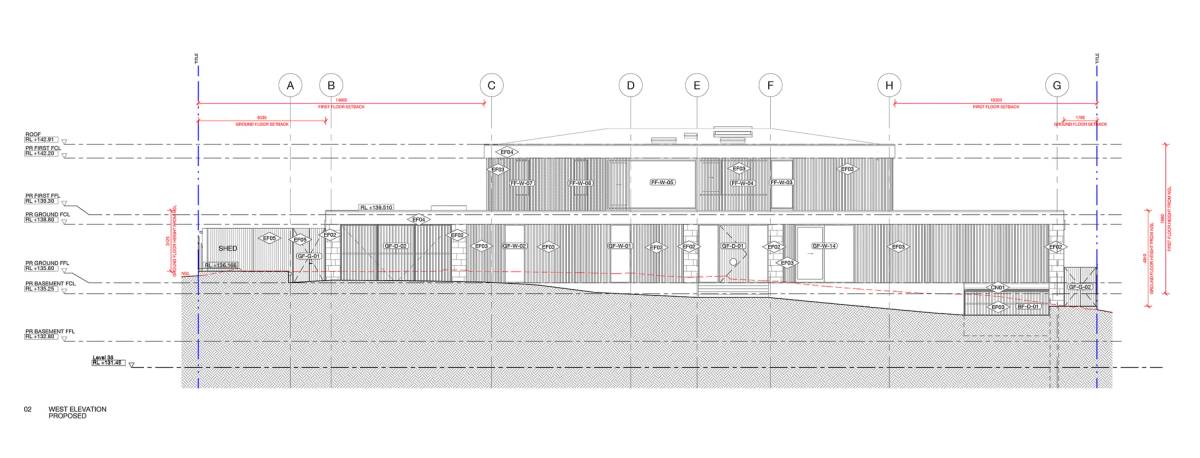
Under ABIC, issues can be raised with the architect before work proceeds. The design implications can be reviewed, the builder can assess cost and programme, and any resulting instruction can be documented before it is carried through to construction. This gives the project team a better chance of resolving the problem properly rather than reacting to it after the work has already been built.
That level of accountability is important. The builder’s role is not to reinterpret the design whenever something becomes difficult on site. It is to understand the documentation, identify conflicts, raise them early and provide the information required for the architect to make an informed decision. When that process is working well, the architecture remains connected to the original intent rather than slowly changing through a series of undocumented site decisions.
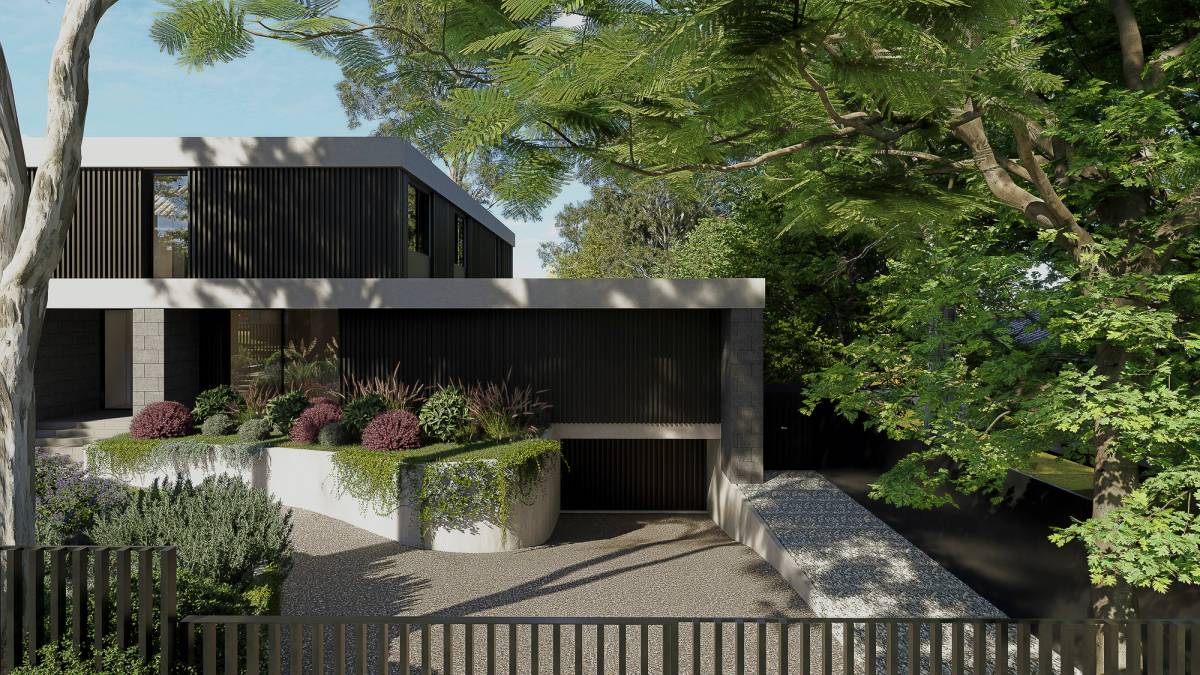
It also gives the architect a meaningful role through construction. Contract administration is not simply about progress claims and variation paperwork. It provides continuity between design and delivery, allowing the architect to remain involved in decisions affecting materiality, proportion, detailing and overall design intent. That involvement becomes especially important on projects where the quality of the outcome depends on the accumulation of many precise decisions rather than one defining gesture.
For the system to work, however, the builder needs to be properly set up for it. An ABIC project generates a constant flow of RFIs, architect instructions, consultant revisions, variation quotations, procurement decisions, claims and programme impacts. If those items are poorly managed, contract administration becomes a burden and starts interfering with productivity on site.
EAST is structured around that reality. Our Project Managers manage the contractual and commercial side of the project, including documentation, RFIs, variations, procurement, claims and communication with the architect and client. Alongside them, our Construction Managers remain focused on sequencing, trades, quality and productivity on site. The two roles work together, but they are not competing for the same attention.
That separation allows the project to remain organised without becoming bureaucratic. The site team can stay focused on construction, while the Project Manager makes sure information is complete, decisions are documented and issues are resolved before they affect the work. It also makes the architect’s contract administration more effective because information is presented clearly, variations are properly substantiated and instructions can be tracked through to execution.
The best outcomes usually come when issues are identified early enough to be resolved on paper. That avoids rushed site decisions, reduces the chance of compromised detailing and gives the architect, builder and client a clear record of why changes were made. It is a more professional way of managing complex construction and, in our view, a better way of protecting the architecture.
ABIC does not guarantee a good project on its own. It still relies on strong documentation, an engaged architect and a builder with the systems and experience to work within the process. When those elements are in place, the contract provides a disciplined framework for carrying design intent through construction and keeping the builder accountable to what was originally designed.